
Why a Windscreen Repair Should Actually Fix Your Windscreen
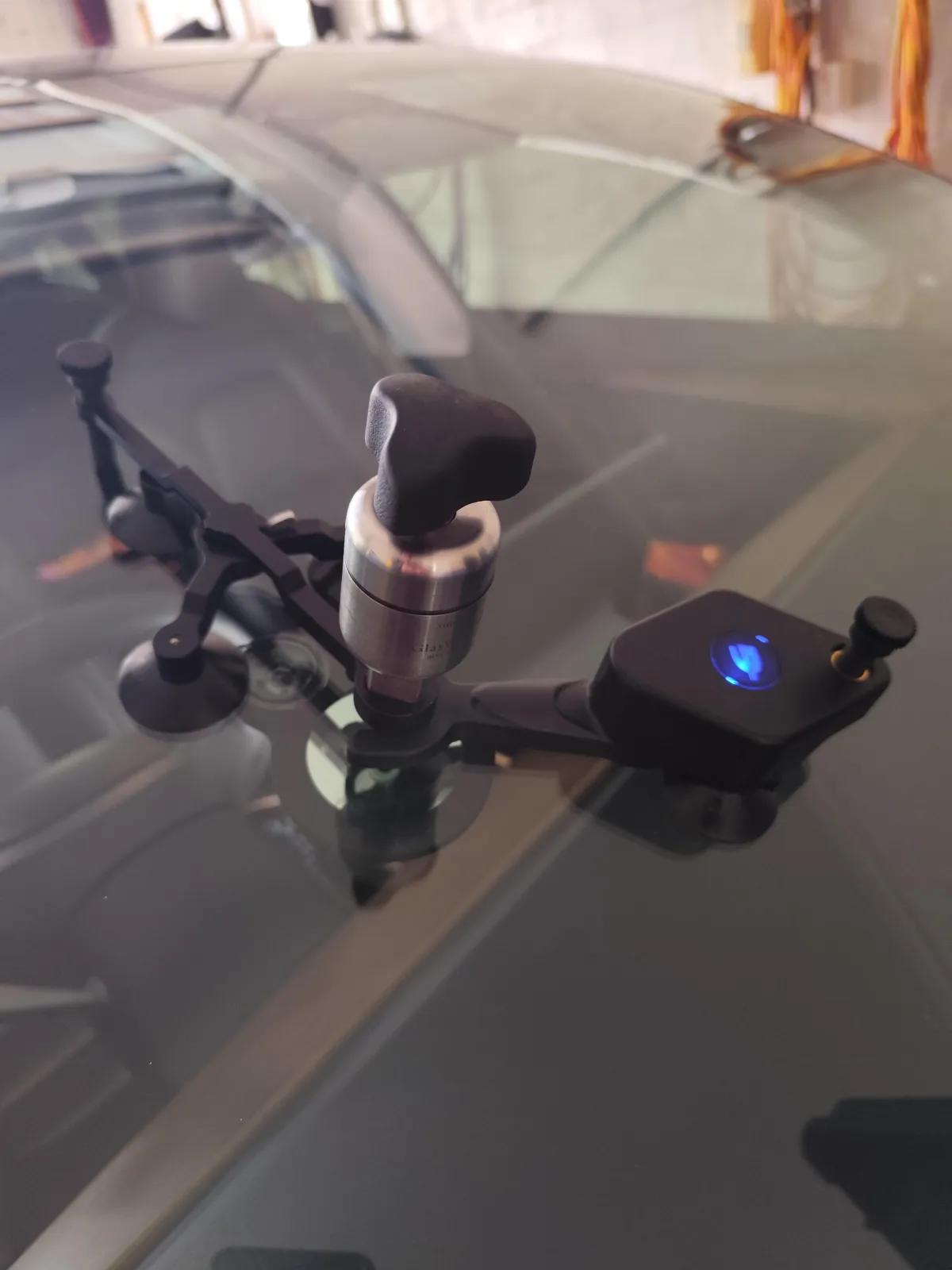
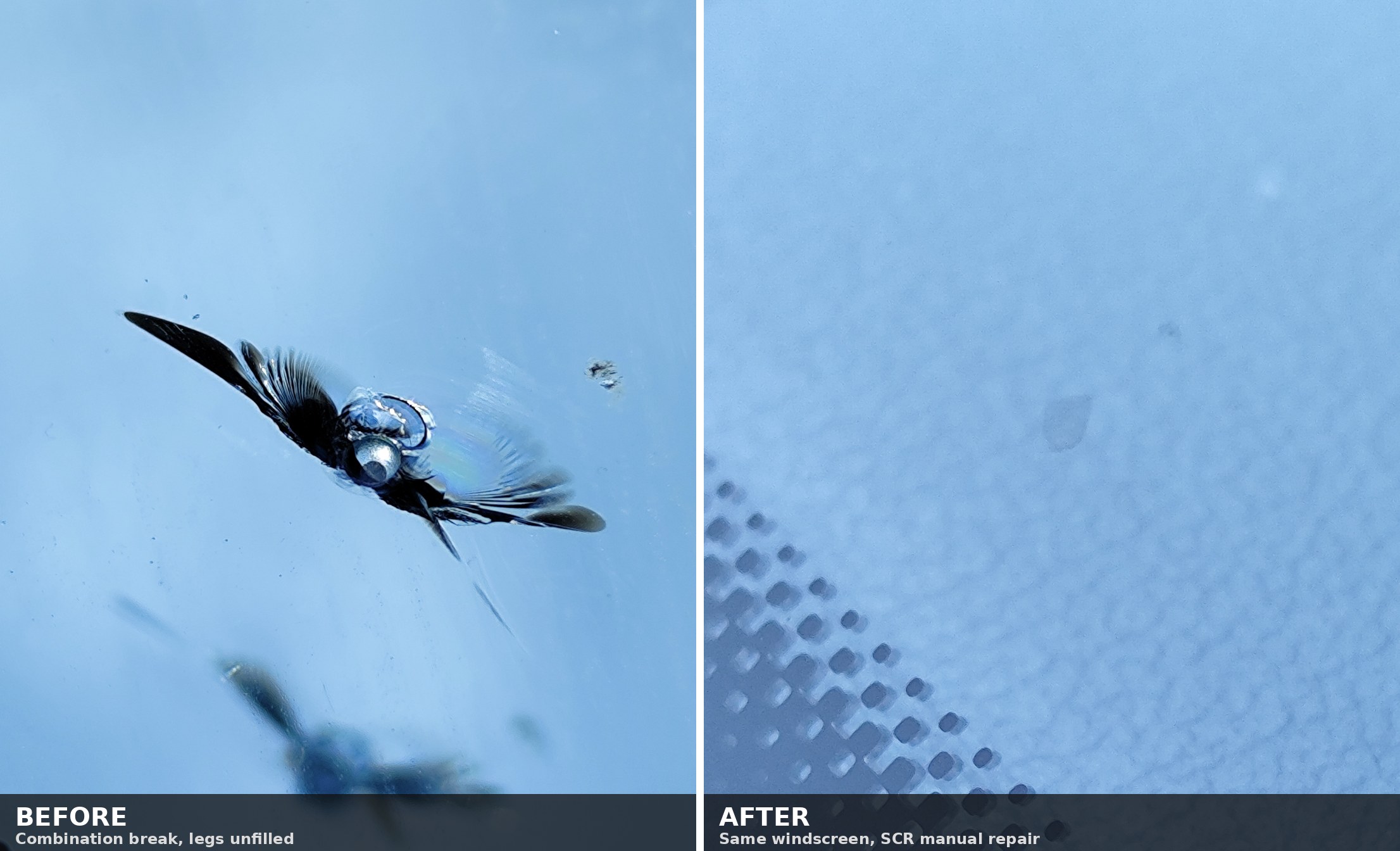
If you've had a stone chip repaired at one of the big chain windscreen companies, there's a decent chance you've heard this line: "unfortunately this one's not repairable, you'll need a full replacement." Sometimes that's true — some breaks genuinely are too far gone. But there's a reason it happens far more often at the big players than it should, and it comes down to the tool doing the repair, not just the damage itself.
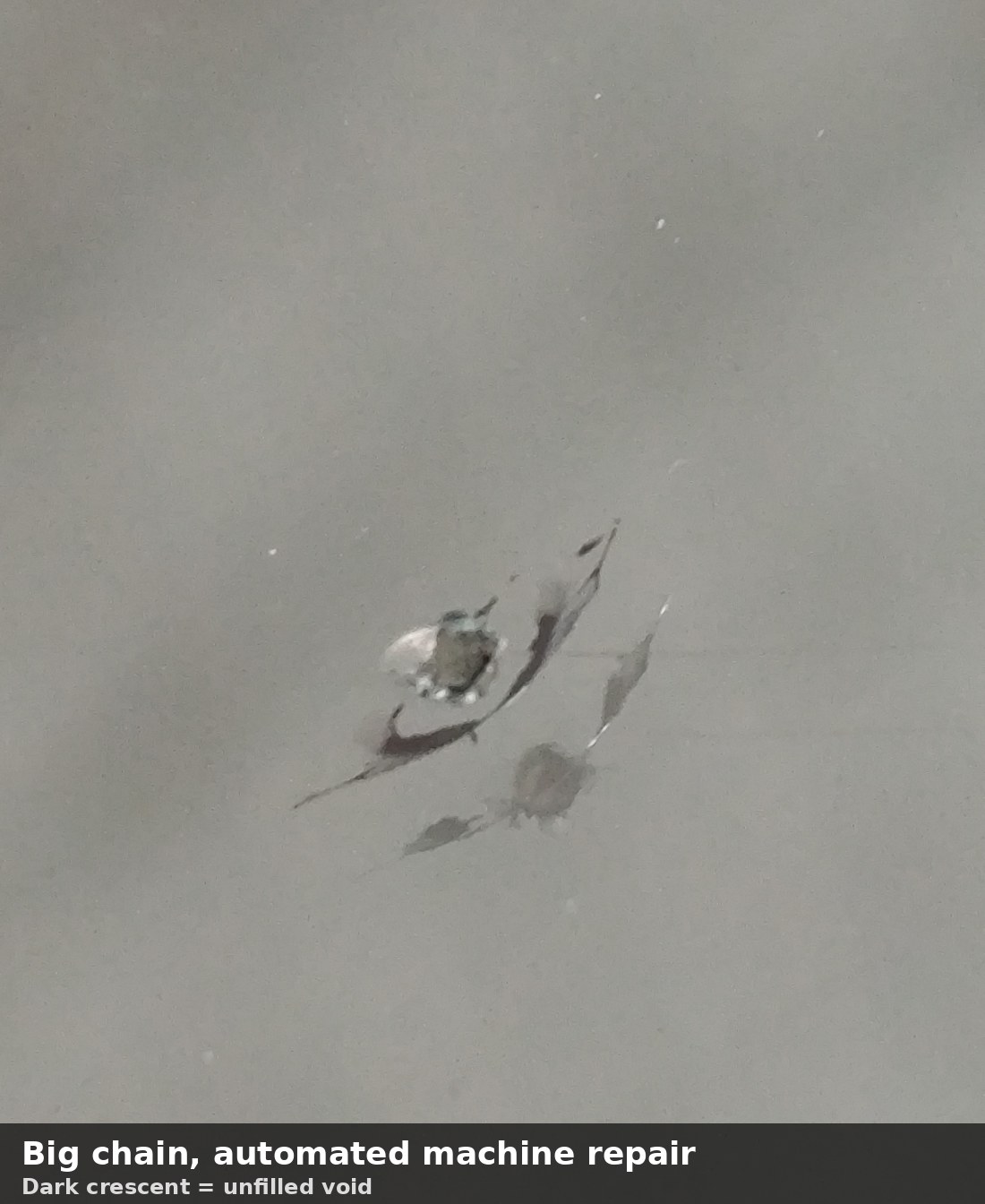
Most large chains run high-volume, machine-based systems: an automated rig clamps onto the windscreen, runs a fixed injection-and-vacuum cycle, and either the resin takes or it doesn't. It's fast and it needs minimal technician skill, which is exactly why chains rely on it — it lets them push volume through with less-experienced staff. The problem is that every break is different. A clean, fresh, round chip might respond fine to a standard cycle. A break with legs running out from the impact point, or one that's sat for a few days and started to contaminate, needs more finesse than a "run the cycle and see" machine can offer. When the cycle doesn't fully fill the break, the repair looks patchy or the crack keeps creeping — and the customer gets offered a replacement instead.
That's not a small detail for a chain's business. A replacement is a bigger job: more revenue, a new windscreen, and on newer cars, an ADAS camera recalibration fee on top. A repair that "doesn't take" isn't really a loss for that business model — it's the entry point into a more profitable sale.
At SCR, we do it differently, because we're a repair specialist, not a glass-and-parts sales operation. We use manual injection tools that let us actively flex the glass around the break as part of the repair — tightening and releasing tension on the crack in cycles so the resin gets pulled all the way into the tips and legs of the break, not just the visible chip in the middle. It's a slower, more hands-on process than running an automated cycle, and it takes a technician who's done it enough times to read how a particular break is responding. But it's also why a repair from an independent using proper manual technique holds up better on trickier breaks than a one-size-fits-all machine cycle.
None of this means every break is repairable — Australian standards (AS/NZS 2366.1) set real limits on what can and can't be safely repaired, and damage right in your line of sight or near an ADAS camera bracket sometimes genuinely does need a replacement. We'll always tell you straight if that's the case. The difference is that when we say "this one's repairable," we mean it, because getting your repair right the first time — not upselling you afterwards — is the whole business.
Most comprehensive insurance policies cover windscreen repairs with no excess, and a proper repair takes under half an hour. So before you're told a chip "isn't repairable," it's worth getting a second opinion from someone whose business depends on the repair actually working.
Got a Chip or Crack in Your Windscreen?
Don't risk a costly windscreen replacement before getting an expert second opinion. Upload a quick photo and we'll let you know if it can be repaired on-site.
Upload Photo for Assessment 📸