
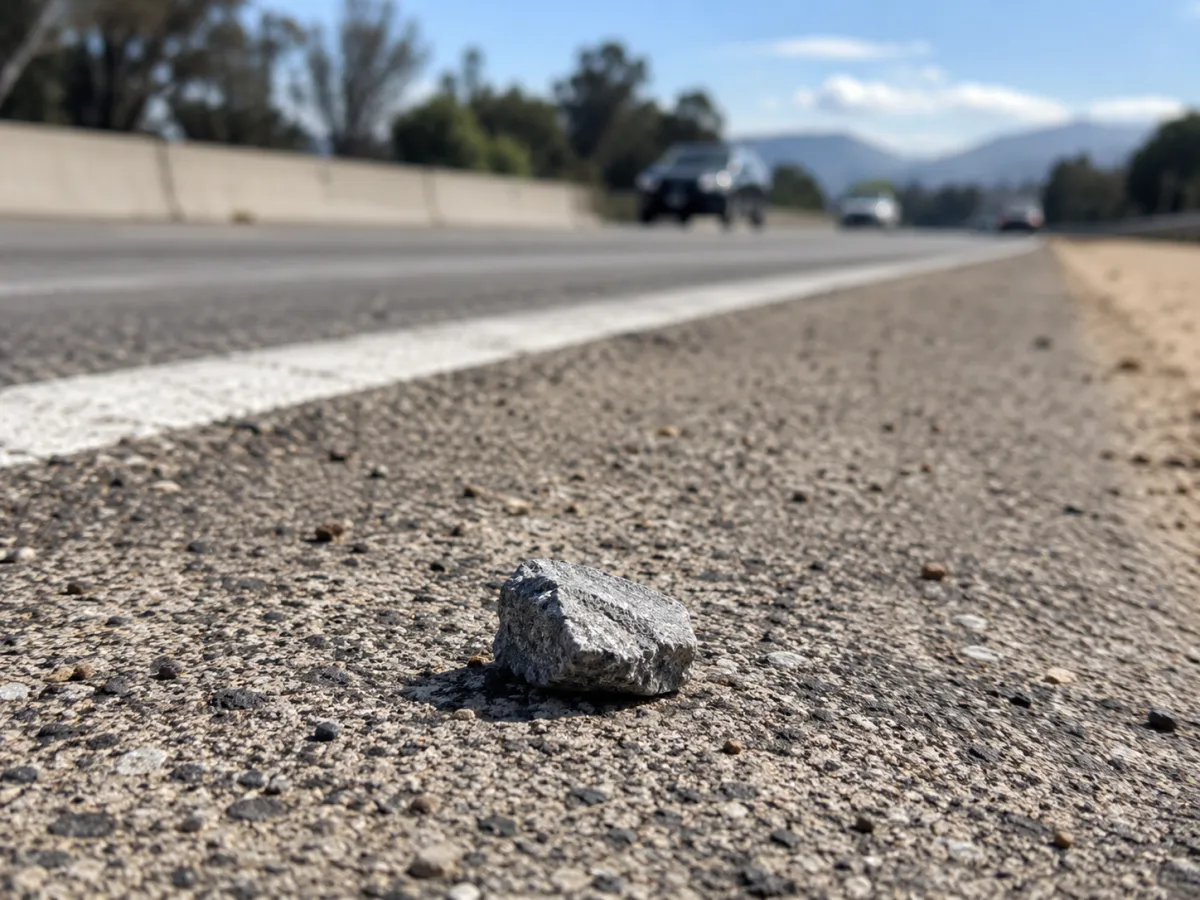
What Causes Windscreen Chips and How Can You Prevent Them?
A windscreen chip can happen in a split second.
One moment your windscreen is perfectly fine. The next, a small rock or piece of road debris flicks up, hits the glass at speed, and leaves behind a chip. Sometimes it is obvious straight away. Other times, especially near the edge of the windscreen, you might not notice it until it has already started to crack.
So what actually causes windscreen chips, and is there anything you can do to prevent them?
The honest answer is that most windscreen chips are caused by bad luck. But there are still some practical steps you can take to reduce the risk. More importantly, once a chip does happen, acting quickly can be the difference between a simple repair and needing a full windscreen replacement.
What Causes Windscreen Chips?
The most common cause of windscreen chips is simple: rocks and road debris hitting the glass at speed.
This often happens when a small stone, piece of gravel, or hard debris is flicked up by another vehicle's tyre. Because your vehicle is moving forward and the object is travelling back toward your windscreen, even a tiny stone can hit with enough force to damage the outer layer of glass.
In our experience repairing windscreens across Melbourne, freeway driving is one of the biggest culprits. This is especially true on roads like the Eastern Freeway, where vehicles are travelling at higher speeds and road debris can be thrown up quickly.
Roadworks can also make the problem worse. When major construction projects are happening, trucks often carry dirt, gravel, and debris away from work sites. Some of that material can end up on surrounding roads and freeways, increasing the chance of stones being flicked into windscreens.

Why Freeways and Roadworks Increase the Risk
Freeways are a common place for windscreen chips because of three main factors:
- Vehicles are travelling faster.
- There is often more debris on the road.
- Trucks and larger vehicles can flick stones up with more force.
When roadworks are involved, the risk can increase again. Construction vehicles may carry loose material, and debris can find its way onto the road surface. Once it is there, it only takes one passing tyre to launch it toward another vehicle.
This does not mean every chip is caused by a truck or roadworks, but these situations do increase the odds.
Driving behind trucks, especially trucks carrying gravel, soil, or construction material, is one of the more obvious risks. If loose debris falls from the truck or is already sitting on the road, the vehicle's tyres can flick it up into your windscreen.
Other Unexpected Causes of Windscreen Chips
While freeways and road debris are the most common causes, windscreen chips can happen in surprising ways.
One example is passing someone mowing a nature strip near the road. A mower can flick up a small stone with enough force to chip a windscreen. It is not the kind of thing most drivers think about, but it does happen.
Loose gravel roads, freshly resurfaced roads, construction zones, and even suburban streets can all create the right conditions for a chip. The frustrating part is that many windscreen chips are simply random. You can be driving carefully and still get hit by a stone at the wrong angle.
That is why it is important to be realistic. You can reduce the risk, but you cannot completely prevent every windscreen chip.
Can Windscreen Chips Be Prevented?
To a degree, yes. But not completely.
There is no guaranteed way to stop every rock chip from happening. Most of the time, it comes down to timing, road conditions, and luck.
That said, a few habits can help reduce your chances:
- Keep a safe distance from trucks and heavy vehicles.
- Be especially careful around trucks carrying gravel, soil, or construction debris.
- Slow down around loose gravel or roadworks.
- Avoid driving too closely behind vehicles on freeways.
- Be cautious near mowing equipment close to the road.
- Try to avoid loose road shoulders or gravel-covered areas where possible.
These tips will not eliminate the risk, but they can reduce your exposure to the most common causes of windscreen chips.
Are Windscreen Protection Films Worth It?
There are products on the market that claim to protect windscreens from stone chips. These are usually clear protective layers or films applied to the outside of the windscreen.
In my opinion, these products may help with very small pits or minor surface impacts, but they are not a reliable solution for stopping windscreen damage when a stone hits the glass at high speed.
A windscreen is still glass. If a hard object hits it with enough force, especially at freeway speed, there is only so much a protective layer can do.
So while these products may offer some limited protection against tiny marks or surface pitting, drivers should not assume they make the windscreen chip-proof.
What Should You Do When a Windscreen Chip Happens?
This is where most drivers can make the biggest difference.
You may not be able to stop the chip from happening, but once it does, you can reduce the chance of it getting worse.
The best thing to do straight away is to cover the chip with a chip saver patch. This helps stop moisture, dirt, and contaminants from entering the break before it can be repaired.
If you do not have a chip saver patch, even a small piece of clear sticky tape is better than leaving the damage exposed.
The goal is to keep the damaged area as clean and dry as possible. A fresh, clean chip generally repairs better than one that has been exposed to rain, dirt, car wash chemicals, or road grime.
Why You Should Not Wait Too Long
A windscreen chip can crack out at any time.
This is especially true for chips near the edge of the windscreen. Edge chips are by far one of the most common types of damage we see spreading quickly.
The edge of the windscreen is under a lot of tension. If a chip happens close to that edge, it can become unstable and turn into a long crack very quickly.
Sometimes the chip is in the black area around the edge of the windscreen, known as the frit area. This can make it even harder to spot from inside the car. A customer may not even realise the chip is there until it has already spread into a crack.
We see this kind of thing regularly. A small chip near the edge can become a large crack before the customer has a chance to organise a repair.
What Makes a Windscreen Chip Spread?
Several things can cause a chip to crack out:
- Temperature changes
- Road vibration
- Bumpy roads
- Pressure on the glass
- Moisture inside the chip
- Existing cracks coming from the impact point
- Edge tension
- Leaving the chip unrepaired for too long
Temperature change is a big one. For example, in spring, a cold frosty morning can be followed by sudden sunlight hitting the windscreen. That rapid heating can cause the glass to expand quickly, which may be enough to make a chip spread.
This can happen suddenly. I have even had a customer's chip crack out while I was already on the way to repair it.
That is why waiting is risky. A chip that looks small today may not stay that way.
Edge Chips Need Urgent Attention
If your chip is near the edge of the windscreen, it should be treated as urgent.
The closer the chip is to the edge, the higher the risk of it spreading. This is because the windscreen is under more stress around the edges, and once a crack starts running from that area, repair may no longer be possible.
If you notice a chip near the black border or close to the edge of the glass, the best advice is simple:
Get it repaired as soon as possible and avoid driving the car if you can.
The more the vehicle is driven, the more vibration and movement the glass is exposed to. That can be enough to turn a repairable chip into a replacement.
Should You Keep Driving With a Windscreen Chip?
If the chip is small, stable, and away from the edge, you may be able to keep driving for a short time until it is repaired. But the safest approach is still to organise a repair quickly.
If the chip is near the edge, has small cracks coming from it, or looks unstable, avoid driving where possible.
You should also try to avoid:
- Bumpy roads
- Rain
- Sudden temperature changes
- Parking where the windscreen will heat up quickly
- Car washes
- Pressing on the glass near the chip
These things may seem minor, but they can increase the chance of the chip spreading before it is repaired.
The Most Important Prevention Tip Is Fast Repair
Most articles about preventing windscreen chips focus only on driving habits. Keep your distance. Avoid gravel. Stay away from trucks.
That advice is useful, but it only goes so far.
The truth is, many windscreen chips are unavoidable. You can do everything right and still be unlucky.
That is why the most important advice is not just how to prevent a chip. It is what to do once one happens.
A fresh chip is usually easier to repair than an old, contaminated, or spreading one. Acting quickly helps:
- Keep moisture and dirt out
- Improve the chance of a successful repair
- Reduce the risk of the chip cracking out
- Avoid unnecessary windscreen replacement
- Preserve the original glass
Once a chip turns into a long crack, your options may become much more limited.
Final Thoughts
Windscreen chips are usually caused by rocks, gravel, and road debris hitting the glass at speed. Freeways, roadworks, trucks, loose gravel, and even lawn mowers near the road can all create situations where a stone can be flicked into your windscreen.
You can reduce the risk by keeping your distance from trucks, slowing down around loose gravel, and being aware of roadworks or debris. But you cannot completely prevent every chip.
Most of the time, it comes down to bad luck.
What you can control is what happens next.
If you notice a windscreen chip, cover it with a chip saver patch or clear tape, avoid moisture and sudden temperature changes, and organise a repair as soon as possible. This is especially important if the chip is near the edge of the windscreen or in the black frit area.
A small chip does not always need to become a full windscreen replacement. But the longer you leave it, the higher the risk becomes.
If you have a chip in your windscreen, the best thing to do is get it assessed and repaired quickly before it has the chance to spread.
Don't wait for the chip to spread
Our mobile service comes to you across Melbourne. Stop the damage in its tracks.
Book Your Repair Online
Jacob Creek
Owner of Screensaver Chip Repairs. A mobile windscreen repair business based in Melbourne Australia. He is passionate about saving people money by helping them avoid costly windscreen replacements.
